
60 MINUTES WENT TO CECOT. WE KEPT THE RECORD.
The preserved transcript of a report pulled from public view

EDITOR’S NOTE: We are publishing this transcript because the original video reporting it documents has since been removed from public platforms.
This transcript exists for preservation and accountability. When video is no longer reliably accessible, a precise written record is essential. What follows is that record.

You may recall earlier this year when the Trump administration deported hundreds of Venezuelan men to El Salvador, a country most had no connection to. The White House claimed the men were terrorists, part of a violent gang, and invoked a centuries-old wartime power, saying it allowed them to deport some men immediately without due process—an unusual strategy that sparked an ongoing legal battle.
Tonight, you’ll hear from some of those men. They describe torture, sexual and physical abuse inside CECOT, one of El Salvador’s harshest prisons, where they say they endured four months of hell.
It began as soon as the planes landed. The deportees thought they were headed back to Venezuela, but then saw hundreds of Salvadoran police waiting for them on the tarmac. Shackled, they were paraded in front of cameras, pushed onto buses, and delivered to CECOT, El Salvador’s notorious maximum-security prison.
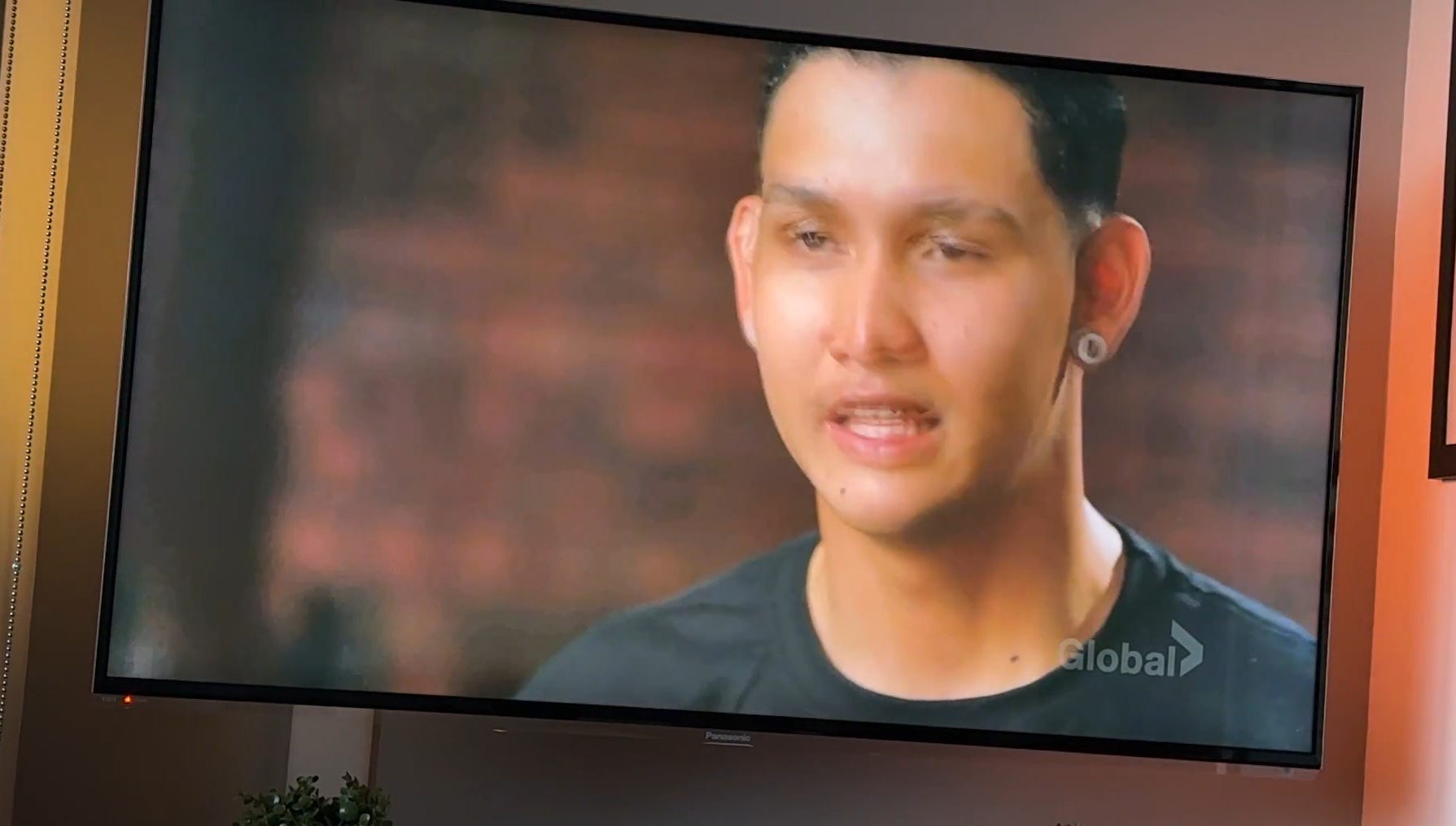
“When we got there, the director was talking to us. The first thing he told us was that we would never see the light of day or night again.”
“He said, ‘Welcome to hell. I’ll make sure you never leave.’”
Did you think you were going to die there?
“We thought we were already the living dead, honestly.”
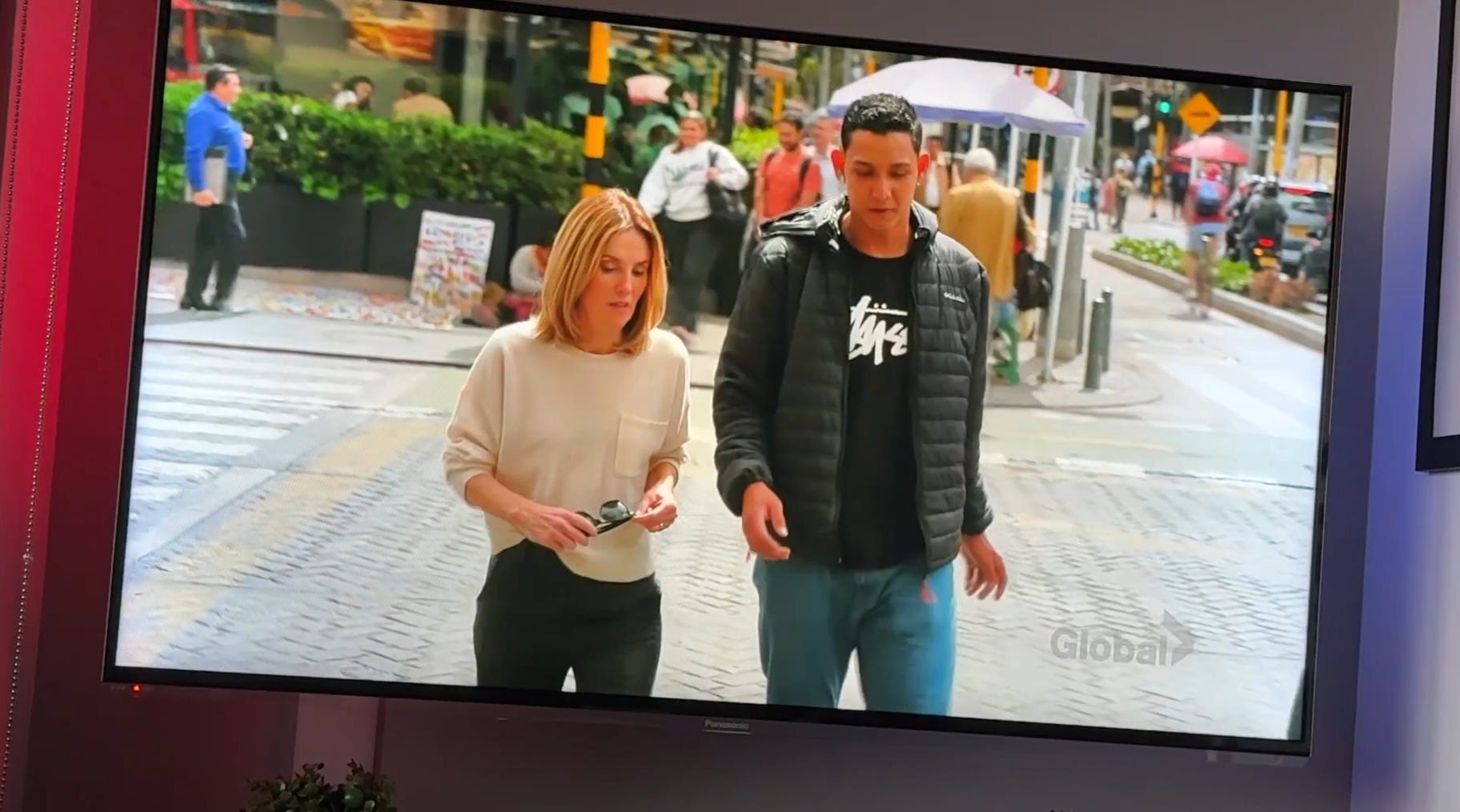
We met Luis Muñoz Pinto in Colombia. He was a college student in repressive Venezuela and hoped to seek asylum in the United States. In 2024, he says he waited in Mexico until his scheduled appointment with U.S. Customs and Border Protection in California.
“They just looked at me and told me I was a danger to society.”
You have no criminal record?
“Nothing. I don’t even have a traffic ticket.”
Nevertheless, he was detained. He says he spent six months locked up in the U.S. waiting for a decision on his asylum case before he was deported—one of 252 Venezuelans sent to CECOT between March and April.
Inside, he says their hands and feet were tied. They were forced to their knees. Their heads were shaved.
“There was blood everywhere. Screams. People crying. People who couldn’t take it, urinating and vomiting on themselves.”
“When you get there, you already know you’re in hell. You don’t need anyone to tell you.”
He says guards began savagely beating them with fists and batons.
Tell me what they did to you personally.
“Four guards grabbed me and beat me until I bled, to the point of agony. They slammed our faces against the wall. That’s when they broke one of my teeth.”
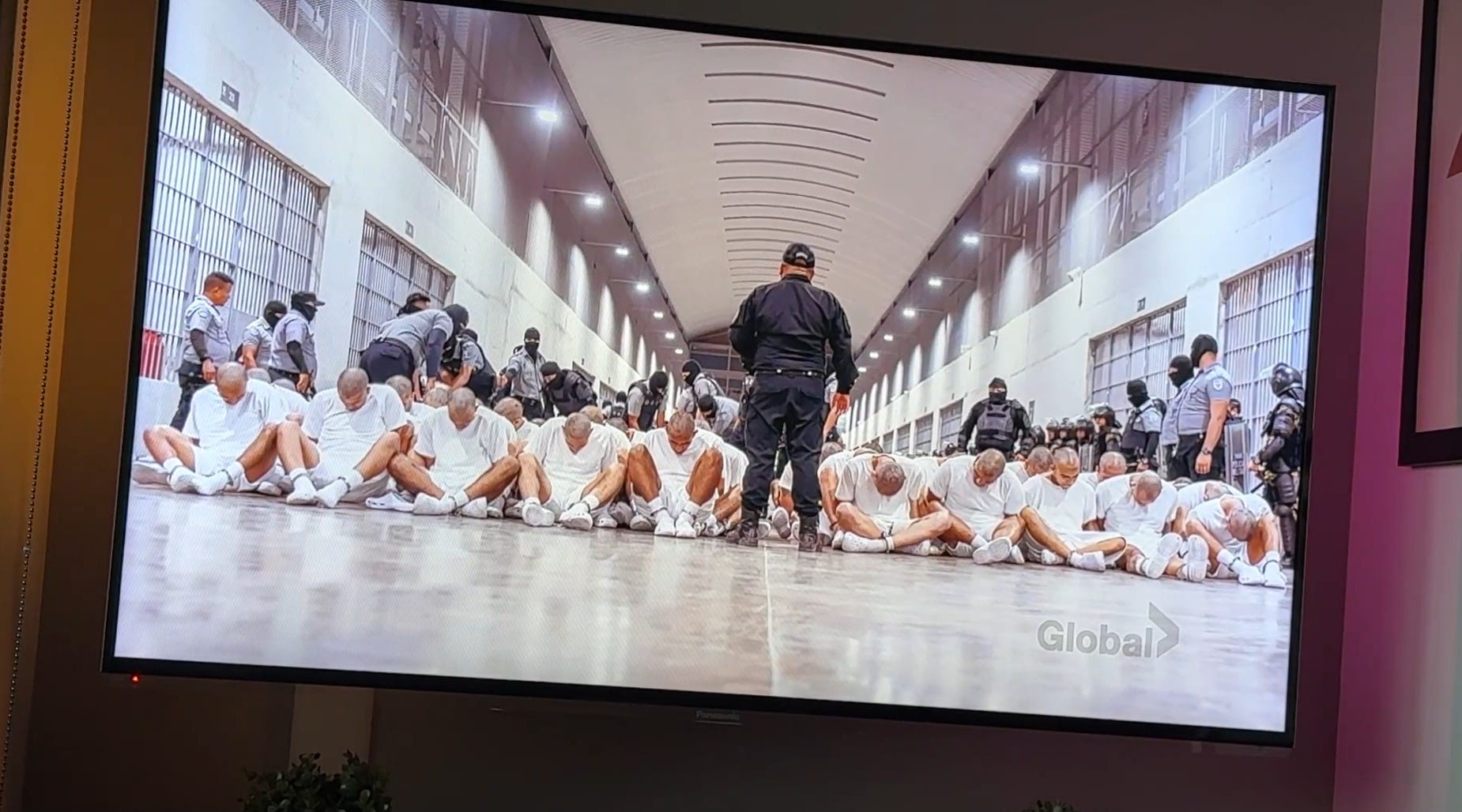
CECOT—the Terrorism Confinement Center—was built in 2022 as part of El Salvador President Nayib Bukele’s sweeping anti-gang crackdown. The massive prison, designed to hold 40,000 inmates, and its harsh reputation are a point of pride for Bukele, who regularly allows social-media influencers to tour it.
“As you can see, we’re literally in the middle of the desert.”
Guards show off cramped cells where metal bunks are stacked four high. There are no mattresses or sheets. Inmates say they had no access to the outdoors and no contact with relatives.
International observers have warned that CECOT violates UN standards for the minimum treatment of prisoners. Two years ago, during the Biden administration, the U.S. State Department cited torture and life-threatening prison conditions in El Salvador.
But this year, during a meeting with President Bukele at the White House, President Trump expressed admiration for El Salvador’s prison system.
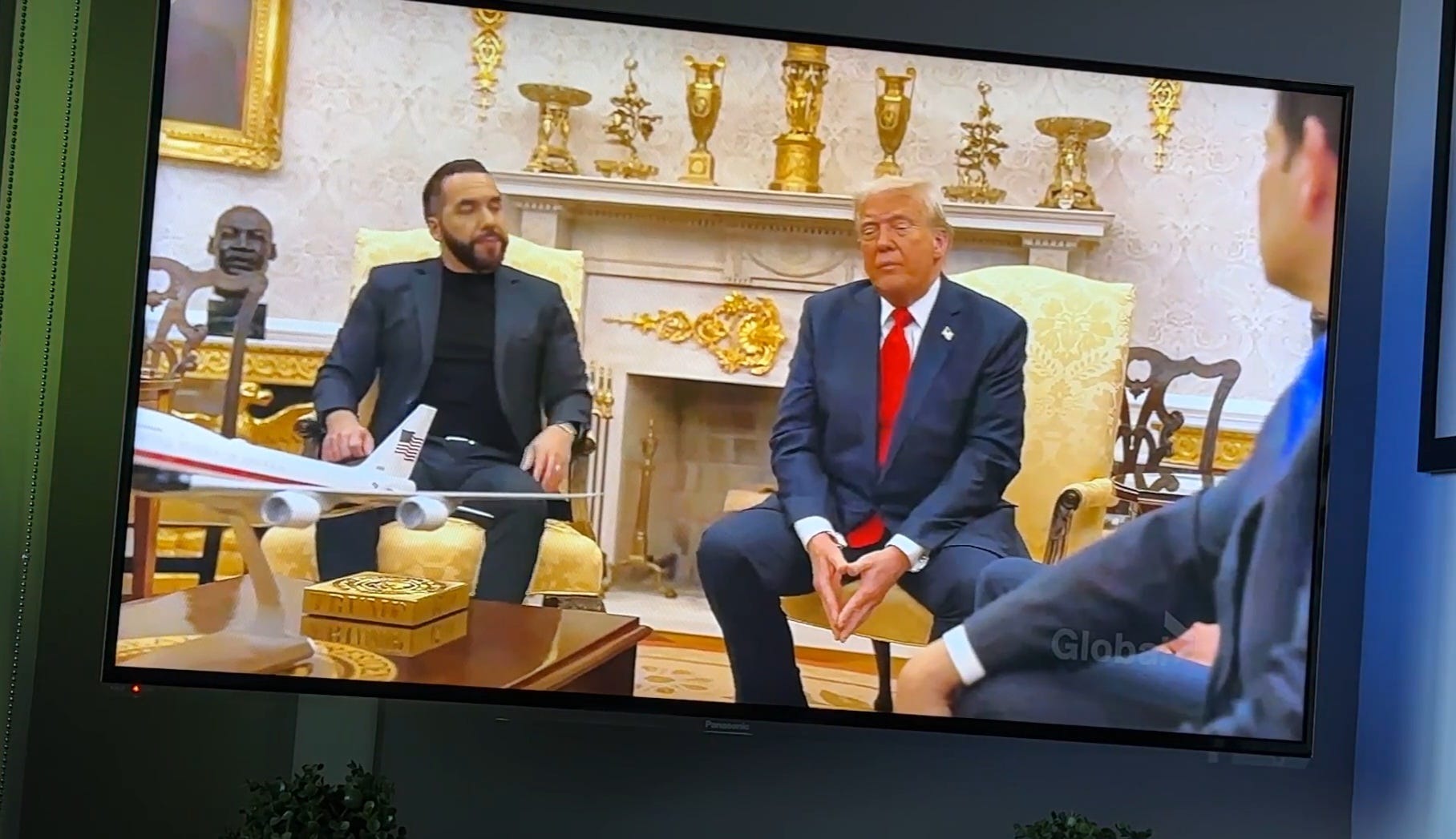
“They’re great facilities. Very strong facilities. And they don’t play games.”
— Donald J. Trump
In March, the U.S. struck a deal to pay El Salvador $4.7 million to house Venezuelan deportees at CECOT.
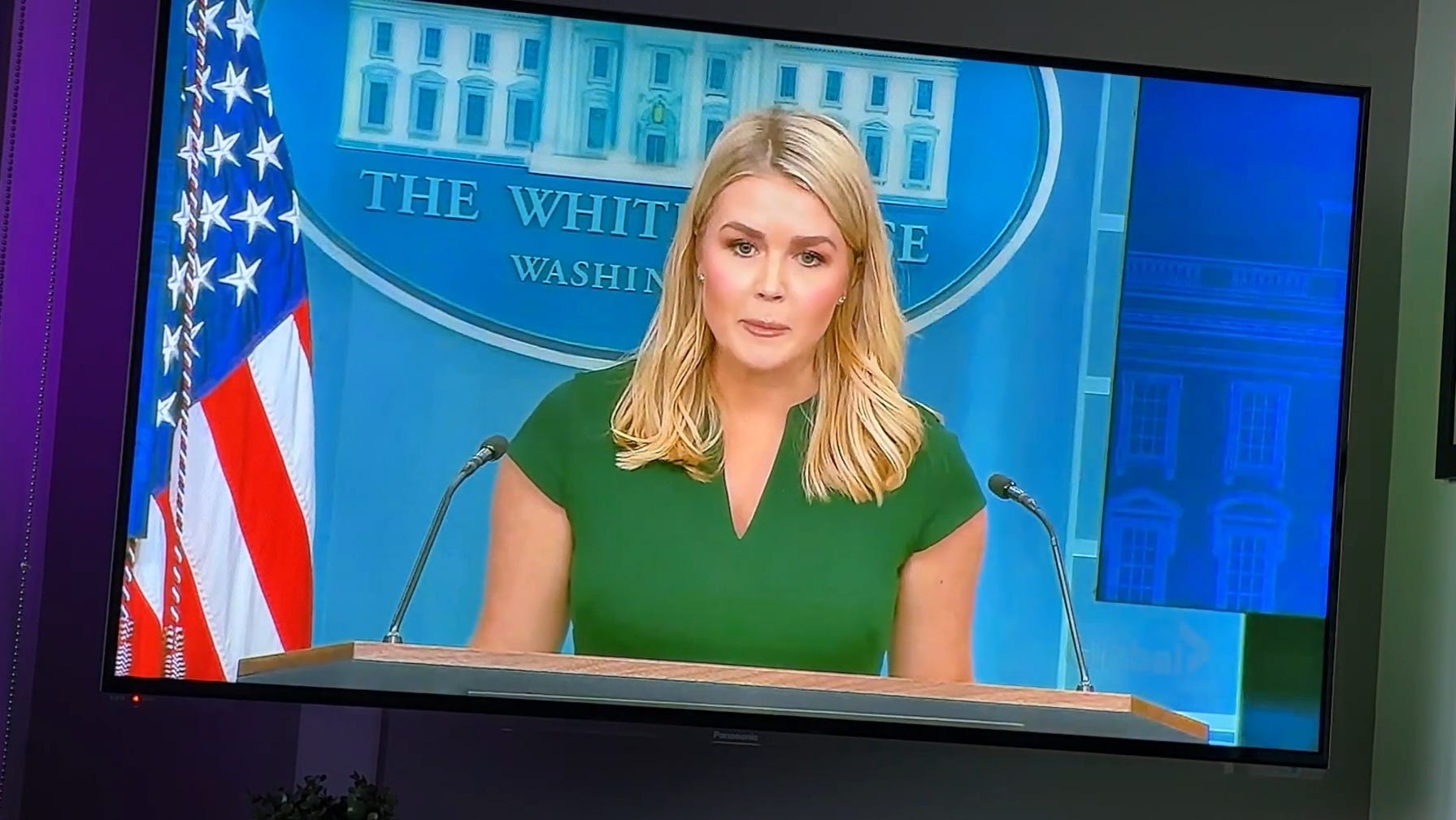
“These are heinous monsters—rapists, murderers, kidnappers, sexual assaulters, predators—who have no right to be in this country, and they must be held accountable.”
— Karoline Leavitt
Human rights advocates say that characterization is false.
“These people are migrants. And the sad reality is the U.S. government tried to make an example out of them. They sent them to a place where they were likely to be tortured to send a message across Latin America not to come to the United States.”
— Juan Pappier
Juan Pappier, deputy director at Human Rights Watch, helped author an 81-page report released in November concluding there was systematic torture and abuse at CECOT. Nearly half of the Venezuelans had no criminal history. Only eight had been convicted of a violent or potentially violent offense.
How do you know they weren’t gang members?
“We cross-referenced federal databases in all 50 states, obtained records from Venezuela and other countries, and reviewed ICE’s own data.”
ICE’s own records say—
“That only 3% had been sentenced for a violent or potentially violent crime.”
60 Minutes reviewed the ICE data and confirmed those findings. It shows 70 men had pending criminal charges in the U.S., which could include immigration violations. The Department of Homeland Security has never released a complete list of names or criminal histories of those sent to CECOT.
Rapid deportations have been central to the Trump administration’s immigration overhaul. The administration considers anyone who crosses the border illegally to be a criminal.
Some immigration attorneys say flawed criteria were used to justify deportations.
“I have tattoos. None of them are gang-related. I explained that I didn’t belong to any gang, and the agent said, ‘But you are Venezuelan.’”
— William Lázaro Sánchez
60 Minutes reviewed the document agents used to assess Venezuelans. Eight points designated someone a Tren de Aragua gang member. Tattoos alone could earn four points.
Criminologists say tattoos are not a reliable indicator, as Tren de Aragua does not use tattoos to signal membership.
Another deportee, William Lázaro Sánchez, described months of abuse and stress positions.
You were forced to stay on your knees for 24 hours?
“Yes. A guard watched us so we wouldn’t move.”
What happened if you couldn’t?
“They took us to ‘the island.’”
What’s the island?
“A pitch-black cell with no ventilation. They beat us every half hour and pounded on the door to traumatize us.”
Some men described sexual abuse by guards.
“They hit our private parts.”
With a baton?
“No. With their hands.”
They say food, medicine, and clean water were withheld.
“We drank the same water from the toilets and baths. When doctors examined us, they told us to drink water to heal.”
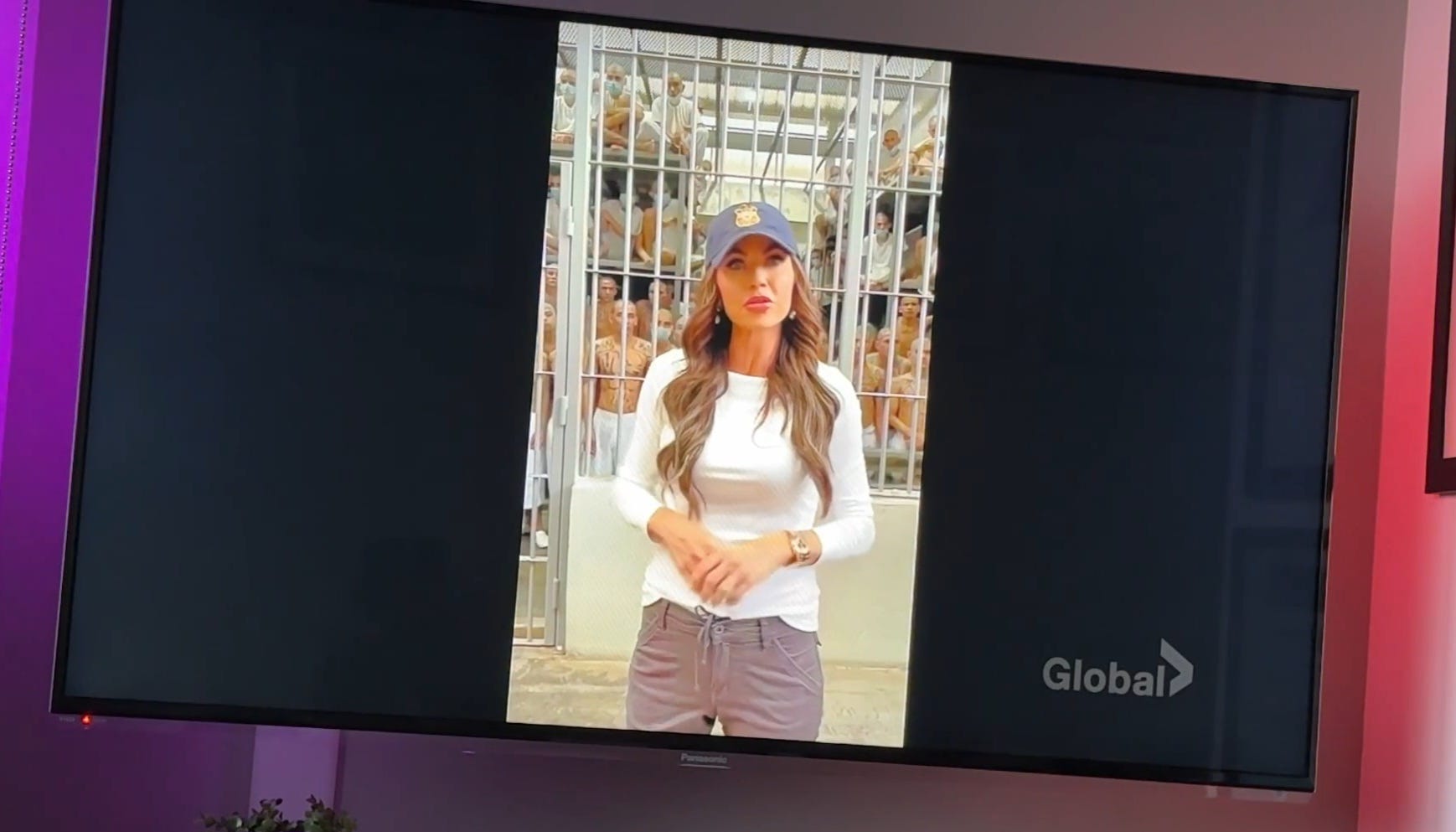
In late March, DHS Secretary Kristi Noem toured the prison. She did not speak to detainees.
Later, she filmed a video with heavily tattooed inmates behind her.
Human Rights Watch confirmed those men were Salvadorans, not Venezuelans.
Students at UC Berkeley’s Human Rights Center helped verify the deportees’ accounts using satellite imagery, influencer videos, and open-source analysis. They identified isolation cells matching detainee descriptions and confirmed weapons and practices used by guards.
The prison warden confirmed lights are on 24 hours a day.
“There’s a pride around the suffering.”
After four months, the 252 Venezuelan men were released in July and sent back to Caracas in exchange for 10 Americans held in Venezuela.
The Trump administration has since arranged additional deals to deport people to third countries, including South Sudan and Uganda, nations with documented histories of prisoner abuse.
This transcript still exists because we didn’t assume the internet was honest or permanent. We saved it when it mattered, before platforms flinched and access vanished. That’s what we do. We preserve records power would rather you forget, publish receipts others won’t touch, and make sure the story survives even when the video doesn’t.
If that matters to you, subscribe. Not for vibes. Not for hot takes. For accountability, primary sources, and journalism that doesn’t evaporate when it gets inconvenient. Supporting us means more transcripts saved, more evidence preserved, and fewer moments where history gets rewritten because nobody bothered to keep the damn record.
Thank you for preserving this. Chilling and inhumane treatment.
Thanks. That's a good transcript. Here is a link to Allison Gill on Substack where the actual video is available: https://substack.com/home/post/p-182370954 Even though Weiss puled this episode from American viewers, it was still aired in Canada.