
MEET NICK VALENCIA
HOW JOURNALISM LEARNED TO BREATHE THROUGH TEAR GAS IN MINNEAPOLIS


There are still people who think journalism is a posture. A tone. A font choice. A carefully managed calm that never cracks, even when the country is cracking ribs. Those people have never stood inside an elementary school staring at a five-year-old’s empty locker and then driven straight into tear gas before the smoke had time to settle.
Nick Valencia has done both. That’s why you’re meeting him here.
Nick is a former CNN correspondent who got tired of describing catastrophe from the weatherproof side of the glass. He left the building and rebuilt his work around a dangerous, unfashionable idea: proximity matters. If power is hurting people, you go where it’s happening. You don’t narrate it later. You don’t summarize it once the risk has passed. You show up. You stay. You keep the camera steady when the night turns hostile.
Minneapolis was supposed to be another stop.
It turned into a reckoning.
THE LOCKER WHERE A CHILD SHOULD HAVE BEEN
Nick came to Minneapolis to report on Liam Conejo Ramos, a five-year-old taken by ICE and transferred thousands of miles away to a family detention facility in Texas. Five years old. Kindergarten age. Spider-Man backpack. Bunny hat. The kind of kid who still believes adults when they say school is a safe place.
Nick walked into Liam’s elementary school and filmed the locker where his things were supposed to be.
The kid wasn’t there.
The silence was.
Teachers carried trauma in their shoulders and spoke in half-sentences. Nervous laughter leaked out where words should have been. Students weren’t there because the school had gone remote. Parents weren’t there because fear now moves faster than buses.
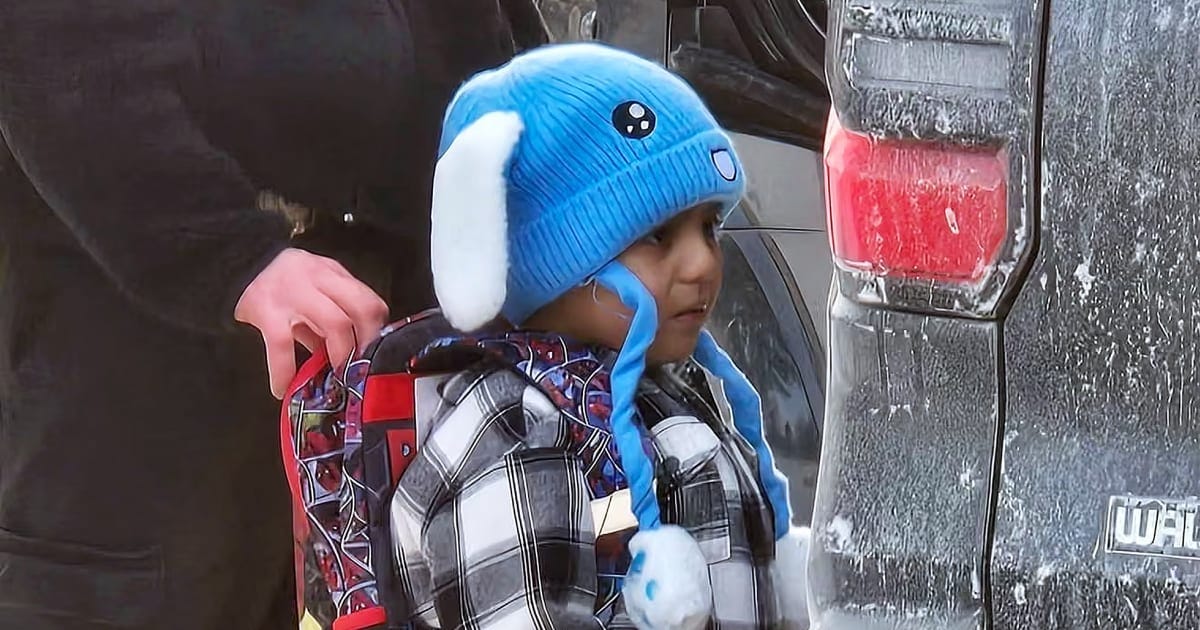
Nick titled the piece Liam’s Locker. He didn’t argue. He didn’t shout. He didn’t editorialize. He just showed the absence and let it echo.
Millions watched because everyone understood immediately. Immigration policy stopped looking like policy. It looked like a missing child.
Liam eventually came home. A federal judge ordered his release. He and his father were flown back to Minnesota. The locker wasn’t empty anymore because the kid was back where he belonged. That didn’t happen by accident. It happened because people refused to look away and because journalists stayed close enough to make the cost visible.
Minneapolis wasn’t done.
THE HOURS AFTER A FEDERAL KILLING
Alex Pretti was killed by federal agents, and Nick arrived minutes later.
No crew.
No perimeter briefing.
No gas mask.
Just a phone, a press badge that read Nick Valencia News, and the instincts of someone who knows how to move when a city tips from tense to volatile.
What followed wasn’t a moment.
It was hours.
Hours of tear gas rolling through downtown Minneapolis like chemical weather. Hours of federal agents clearing streets, pushing crowds back, escalating force. Hours of advance, retreat, regroup, repeat. The kind of night where time collapses and your body keeps score even when your brain can’t.
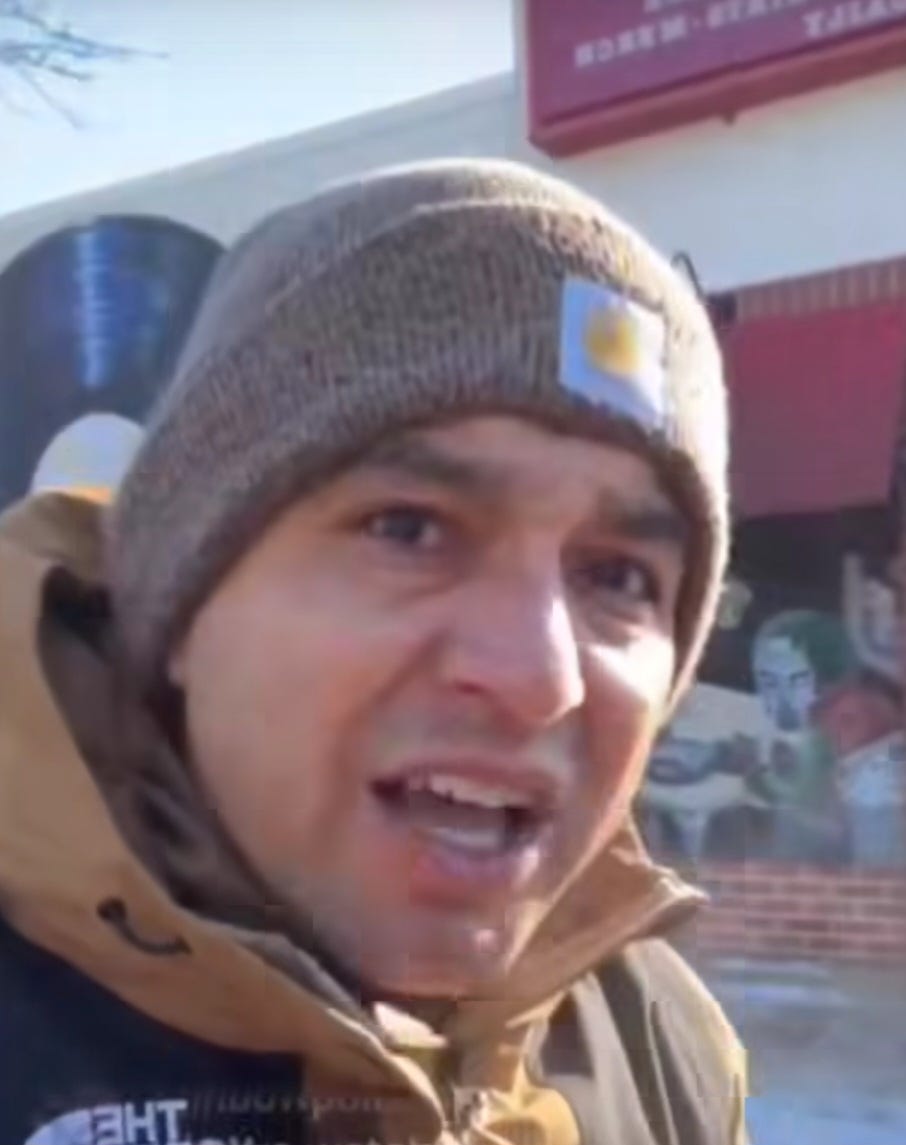
Nick thought his gas mask was in his trunk. It wasn’t.
So he took the gas.
He realized quickly that he was the only camera there not throwing anything, not chanting, not leading a crowd. Just documenting. Just narrating what was happening as it happened.
Federal agents shoved him. One Border Patrol agent pushed him dozens of yards down the street. Another told him directly that they didn’t care who he was and would shoot him anyway.
Journalism didn’t buy immunity.
Calm didn’t buy safety. Professionalism bought him minutes. Maybe.
He stayed in the smoke because that’s where the story was. This wasn’t punditry. This was journalism as lung damage.
WHEN AGGREGATION TURNS JOURNALISTS INTO TARGETS
Outside the ICE hotel protest, the posture hardened.
Armed federal agents stood guard, rifles visible. Tension thick enough to taste. Cameras everywhere. Nick was there again. Documenting. Witnessing. Doing the job.
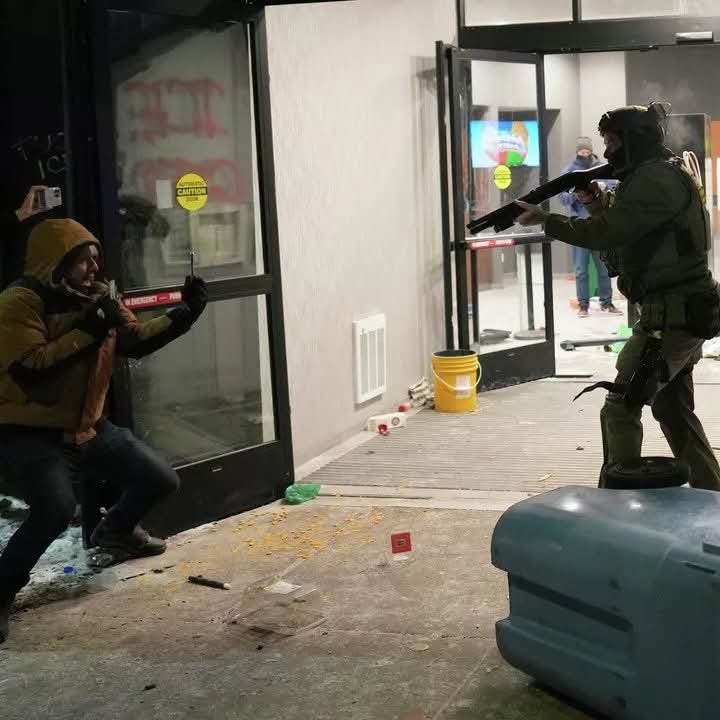
That’s when the Drudge Report entered the story like a lit match dropped into gasoline.
Drudge ran a front-page tile. No context. No nuance. Just a screaming headline about “PROTESTERS” and ICE, paired with images of armed agents. Nick’s image was folded neatly into that framing.
A journalist became a threat narrative with a single word.
Drudge didn’t say “journalist documenting federal force.”
Drudge said “protester.”
In 2026, that distinction isn’t academic. It’s operational. It tells the public who to fear and it tells armed agents who they don’t need to distinguish from a crowd.
Nick woke up to the headline after a night without sleep, lungs still burning, nervous system fried. The smear didn’t just mislabel him. It retroactively justified the threats.
This is how aggregation works now. Flatten the truth, spike the tension, disappear before the consequences arrive.
THIS IS NOT A HERO STORY
This is a warning label.
Journalism in 2026 is no longer a spectator sport. It’s a contact sport with legal consequences, physical risk, and moral clarity baked in. Cameras are treated as provocations. Witnesses are treated as threats. Aggregators turn journalists into enemies with a headline and vanish by morning.
Nick Valencia didn’t go to Minneapolis to become a symbol. He went to follow a story to its end. In this case, that end included a five-year-old coming home, a city choking on tear gas, and a journalist learning exactly how thin the line between witness and target has become.
If that makes powerful people uncomfortable, good.
That sound you’re hearing is accountability scraping against reality.
If you value proximity over punditry and witness over comfort, this is where you belong.
These are definitely the scariest times I’ve lived through. I appreciate all of the independent journalists who provide the real truth for us all. Without them, we’d only hear hogwash coming from the regime. Thank you for solid, real reporting!
I can't upgrade to pay. Sorry but I have all I can do to take care of family and pets