


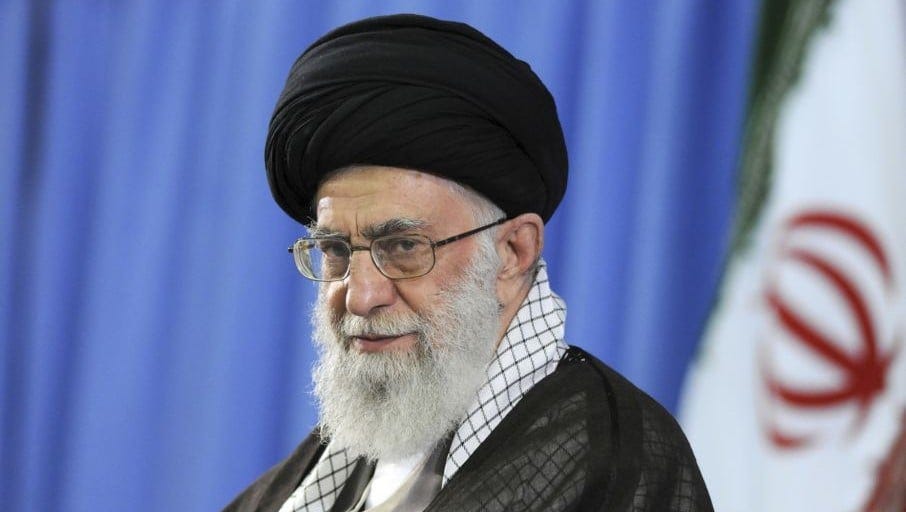
When Ayatollah Ali Khamenei says “rioters must be put in their place,” he isn’t improvising. He’s reading from a very old, very blood-stained script. In Tehran, that sentence is not rhetoric. It’s a permission slip. It’s the sound of batons being unpacked, rifles being checked, and the Basij revving motorcycles like they’re about to run a red light straight into a crowd.
The regime’s favorite trick is semantic gymnastics. Protesters are “concerned citizens.” Rioters are everyone else. Once you cross that invisible line, conversation ends and force begins. Khamenei even said the quiet part out loud: officials can talk to protesters, but “there is no benefit” to talking to rioters. Translation for the international audience: dialogue is canceled, repression is back on the menu.
None of this is new. It’s just louder this time.
Iran has been here before. In 2009, the Green Movement was crushed. In 2019, fuel protests left hundreds dead. In 2022, after the death of Mahsa Amini, the country burned for months and more than 500 people were killed. Each time, the same rhythm played out: economic pain, public outrage, chants against the system, followed by a security crackdown so brutal it leaves the streets quiet not because people agree, but because they’re scared.
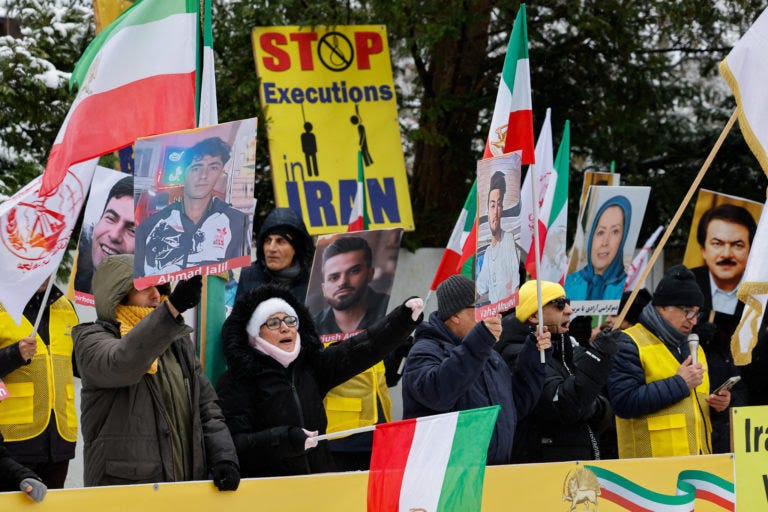
What’s different now is the timing and the global noise. Iran’s economy is wrecked, its currency is collapsing, and the country is still reeling from last year’s war with Israel and U.S. strikes on nuclear sites. The regime insists the protests are foreign-backed because that’s easier than admitting that shopkeepers, workers, and students are angry about not being able to live. Blaming “the enemy” is cheaper than fixing anything.
Then there’s Donald Trump, who decided to shout across the room like a man who just discovered megaphones still exist. His warning that the U.S. would “come to their rescue” if protesters are killed did exactly what you’d expect: it hardened Tehran’s paranoia and handed hard-liners a talking point gift-wrapped in stars and stripes. Iranian officials threatening U.S. troops in the region isn’t escalation theater. It’s a reminder that this mess doesn’t stay neatly inside borders.
The protests themselves are messy, uneven, and mostly spontaneous. There’s no grand revolutionary council waiting in the wings. That actually makes them more dangerous to the regime, not less. You can’t decapitate a movement that doesn’t have a head. You can only try to terrorize it into silence.
Over 100 locations. 22 provinces. At least 10 dead and counting. Grenades in Qom. Gun and knife attacks in Kermanshah province. These are the kinds of details that show what happens when a government decides unrest is a security problem instead of a political one. Violence metastasizes. Lines blur. Everyone claims self-defense after the fact.
The real story is what happens at night inside Iran, when cameras are gone and orders are followed. The Revolutionary Guard doesn’t answer to parliament, polls, or public opinion. It answers to one man who just made it very clear how he wants this handled.
If history is any guide, “put in their place” will mean arrests by the thousands, deaths quietly revised downward, and state TV explaining why it was all necessary. The regime will likely survive this round. It usually does.
But every time Khamenei reaches for that phrase, he burns a little more legitimacy to keep control. Eventually, there’s nothing left to burn except people.
Closer to the Edge is for readers who want more than updates. We slow the news down, examine the language of power, and stay with the story long enough for meaning to emerge. Subscribe now and read with intention.
Trump's giant, stupid mouth is globally catastrophic.
Hmm. If you had substituted Ayatollah Ali Khamenei with the pronoun HE, I would have thought you were referring to DJT.